
Paolo and Francesca's Tragic Love
The Divine ComedyThe story of Francesca da Rimini and Paolo Malatesta, whose adulterous love led to their deaths and damnation.
increasing Bearing strength in each event
 decreasing
Bearing strength in each eventdecreasingFrancesca's Appearance in the Second Circle
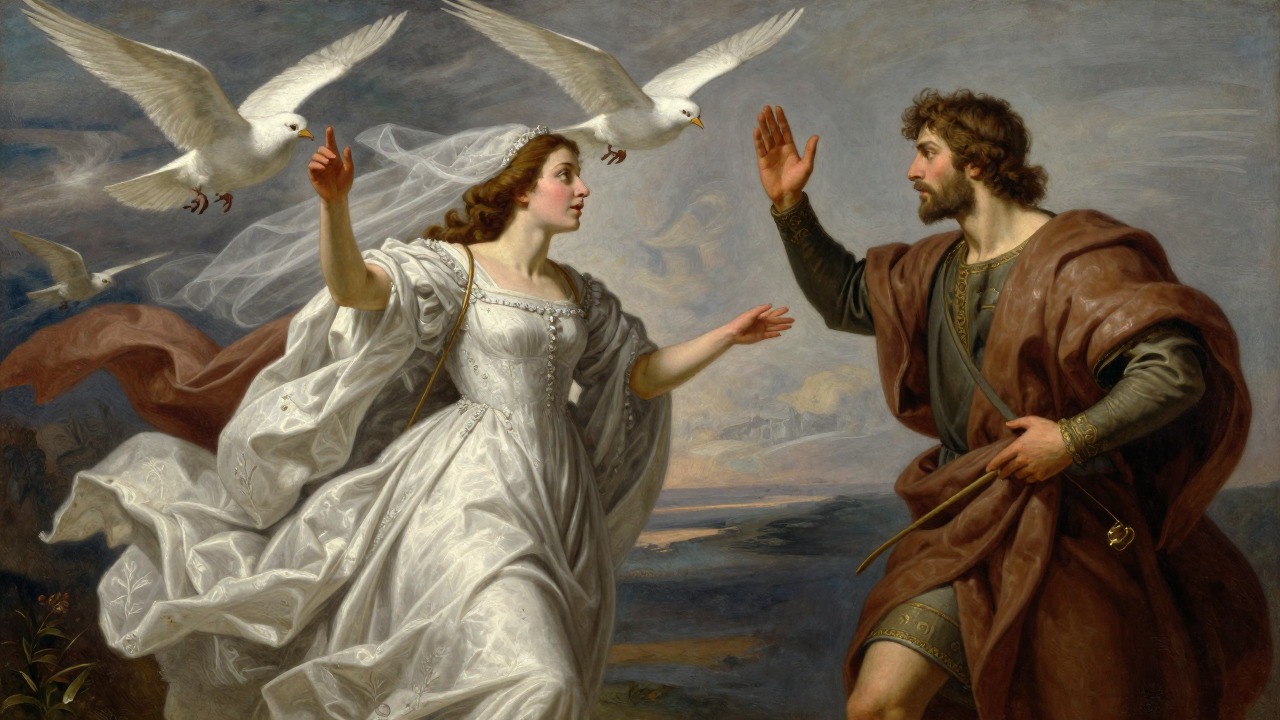
The Meeting
The Call
Dante sees two souls carried together by the wind and calls to them. They approach like doves, and Francesca speaks. She identifies herself and Paolo, who is with her.
The Story
Francesca tells how she was married to Gianciotto Malatesta but fell in love with his brother Paolo. They were reading the story of Lancelot and Guinevere when they kissed, and were later killed by Gianciotto.
Francesca's Lament
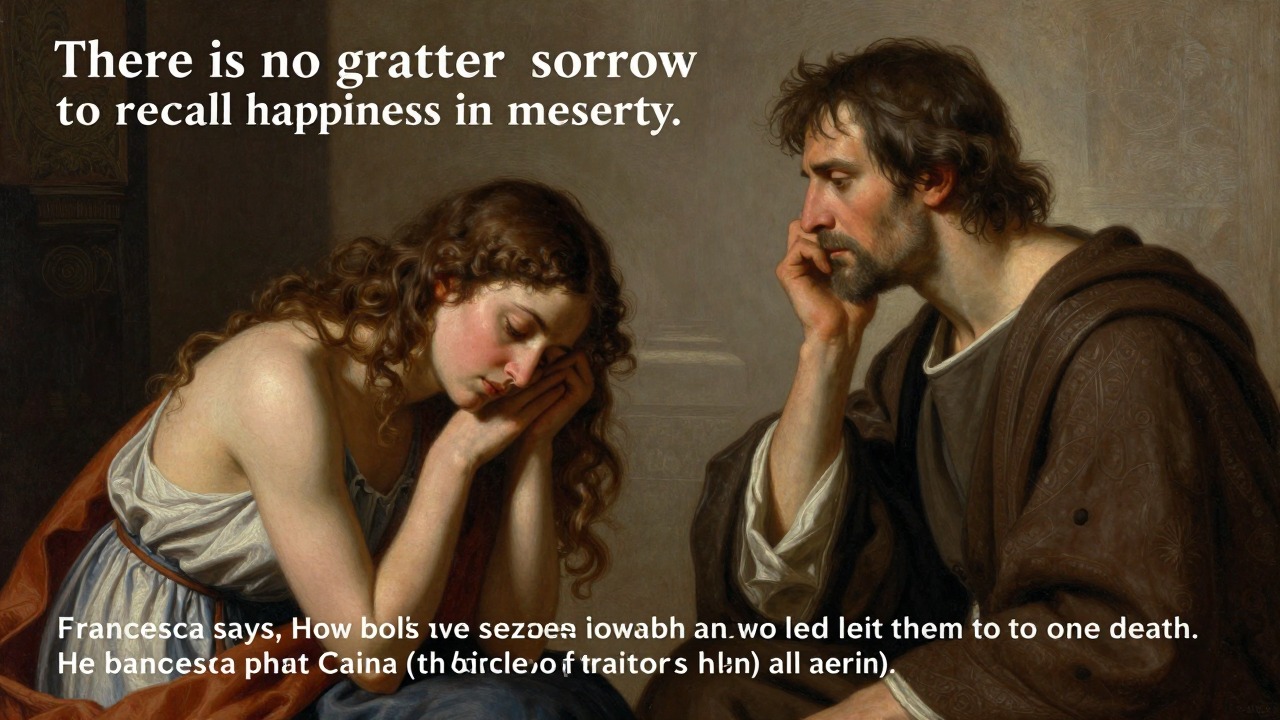
The Sorrow
The Memory
Francesca says, 'There is no greater sorrow than to recall happiness in misery.' She describes how love seized them both and led them to one death. She points out that Caina (the circle of traitors to kin) awaits her husband.
Dante's Reaction
Dante is overcome with pity and faints. His swoon symbolizes the overwhelming power of romantic love and his empathy for the damned.
The Literary Context of the Story

The Galeotto
The Book as Pander
Francesca explains that the book they were reading acted as a 'Galeotto' (pander), leading them to act out the story. The book and its author were the go-between for their love.
Dante's Judgment
Dante's portrayal of Francesca is sympathetic yet condemning. He places her among the lustful, showing that love, while beautiful, can lead to sin when it overrides reason and moral law.
Paolo's Silent Grief
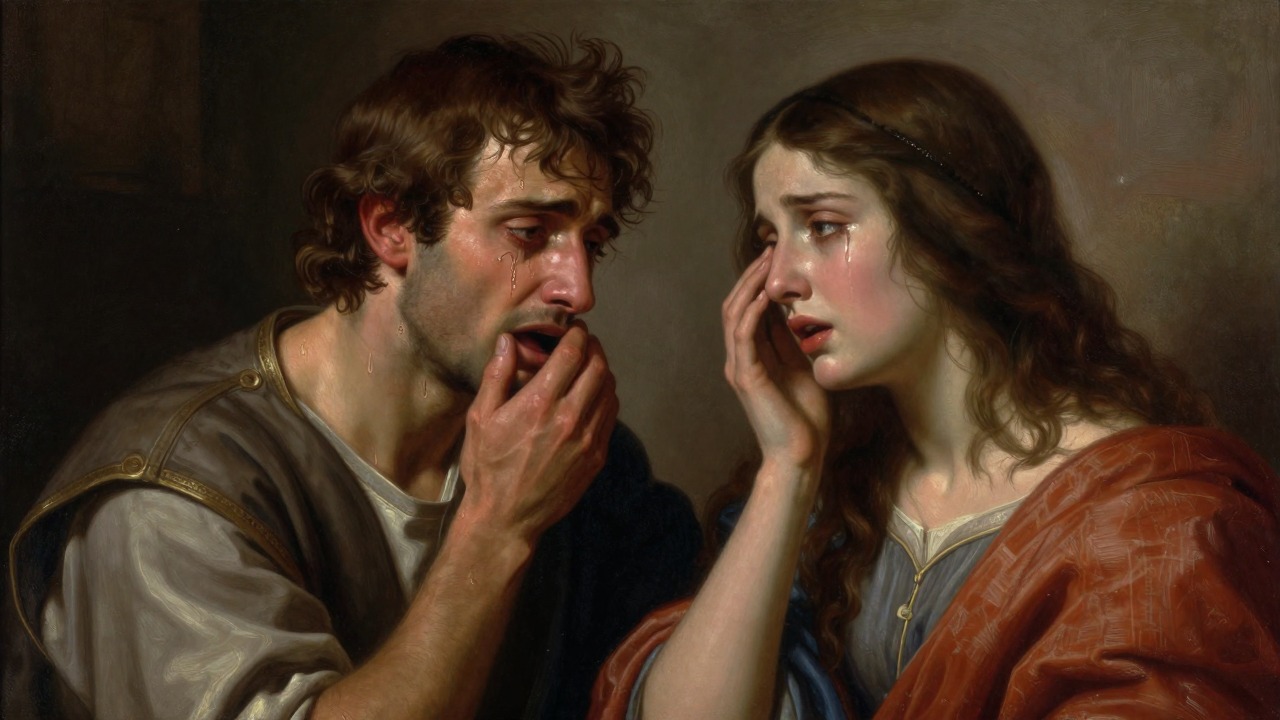
The Silent Companion
Paolo's Tears
While Francesca speaks, Paolo weeps silently. His tears and inability to speak emphasize his remorse and suffering. Dante notes that Paolo never speaks, making his grief more poignant.
The Eternal Union
Paolo and Francesca are bound together forever in the hurricane, a symbol of their uncontrollable passion. Their unity in damnation reflects their unity in sin.
Dante's Faint and Its Meaning

The Swoon
The Overwhelming Pity
Dante's faint is a physical reaction to the emotional intensity of the story. It shows his deep compassion for the lovers, even as he recognizes their sin.
The Transition
The faint marks a transition to the next circle, the gluttonous. It also serves as a narrative device to emphasize the power of love and the tragedy of Francesca.
In the second circle of Hell, during the infernal hurricane
Immediately after her story, in the second circle
Throughout the episode, referencing the Book of Lancelot
Throughout Francesca's speech, in the second circle
At the end of Canto V, in the second circle
